Trauma and tragedy don’t keep a schedule. They don't wait for you to be "on the clock" or wearing a uniform. They happen when you’re simply living your life.
This past Saturday, March 21, I was with my wife and two kids at the Produce Junction on Newport Pike in Wilmington. We were doing something as mundane as loading groceries into the truck when a thunderous crash shattered the afternoon.
In an instant, the environment shifted from a weekend errand to a high-stakes scene. My wife looked at me; she didn’t have to say a word. She knew I had to go. I grabbed my staged trauma kit from the truck and moved toward the chaos.
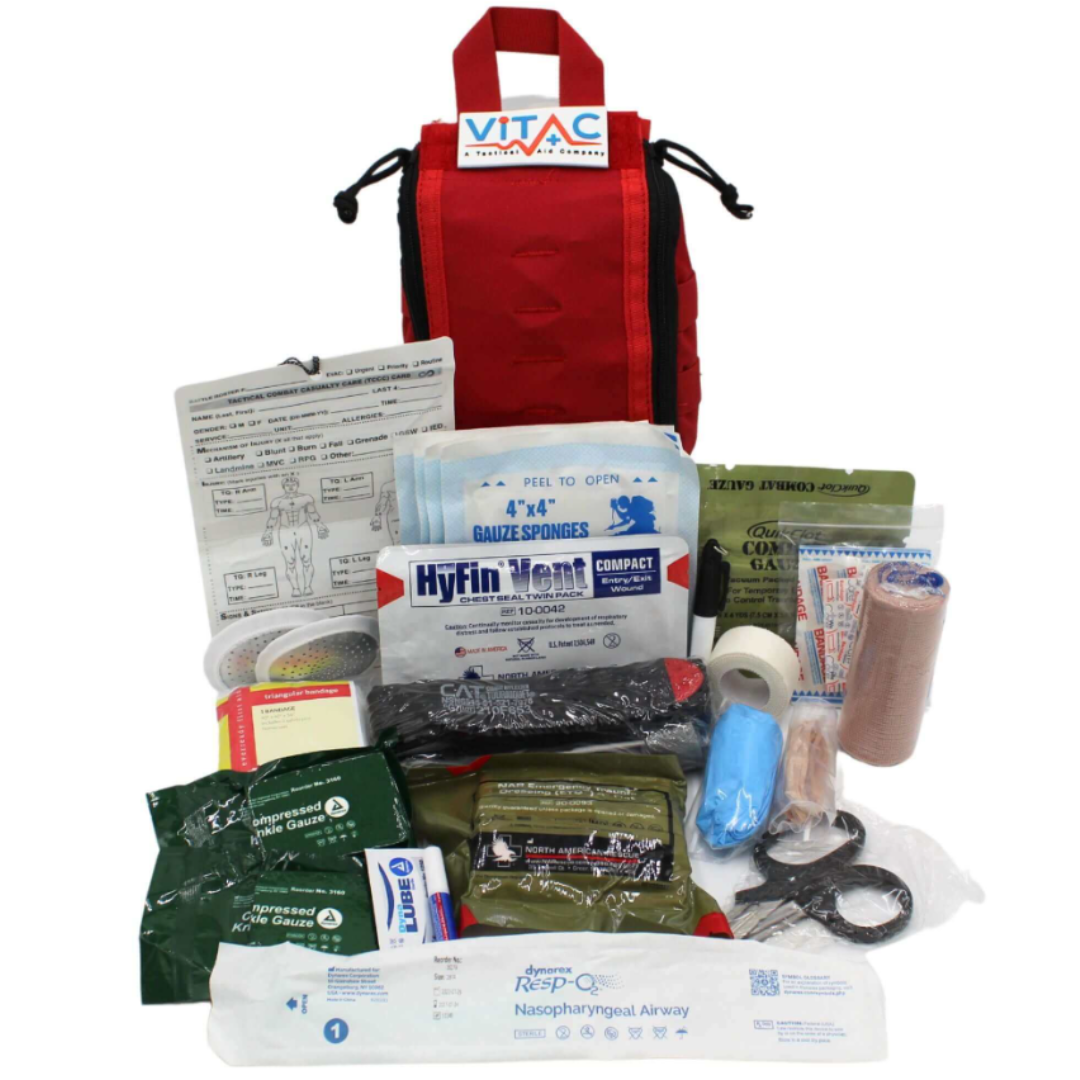
Tactical Individual First Aid Kit (IFAK) by ViTAC Solutions
Phase I: Scene Survey and Crowd Control
The scene was volatile. An SUV had accelerated through the glass storefront. Shards of glass were still dangling precariously from the ceiling—what we call a secondary hazard—that could easily create more casualties. Bystanders were "gaggling" in a way that often hinders more than it helps.
· Priority One: Scene Safety. I announced myself as a medically trained retired Navy Corpsman and cleared the area to prevent further injury from falling debris.
· Assessment of Hazards: I scanned the vehicle for fuel leaks or fire hazards. Seeing none, I moved into the Indirect Threat Phase of care.
Phase II: The Clinical Assessment
I approached the driver’s side. The sole occupant, a woman in her late 40s, was diaphoretic (sweating profusely) and in obvious distress. After gaining consent, I began a rapid assessment:
· Mental Status: She was alert but disoriented. I tested her AxO status (Alert and Oriented), and while shaken, she could answer appropriately.
· C-Spine Integrity: She complained of midline tenderness at the base of her neck. In any high-impact mechanism like this, we treat the spine as unstable until proven otherwise to prevent permanent neurological damage.
· Medical Leadership: I recruited a calm bystander, giving them clear, simple instructions to maintain manual C-spine stabilization. This allowed me to continue my sweep of her vitals and injuries.
· Physical Findings: Beyond the neck pain and a tender right knee, there was no catastrophic hemorrhage or immediate airway compromise.
Phase III: The Hand-Off
When the first firefighter arrived, I provided a concise, professional SBAR (Situation, Background, Assessment, Recommendation) briefing. I maintained psychological support for the patient until the full Engine Company and EMS arrived. Once I handed over care, my role was complete.
Lessons from the Field: Why We Train
This situation ended with the patient stable, but it could have been far worse. Here is why specialized training like TECC (Tactical Emergency Casualty Care) is vital for everyone:
1. The "Indirect Threat" Mindset: We don't just rush in. We mitigate the environment (dangling glass, traffic) so we don't become the "second patient."
2. Force Multiplication: By identifying a bystander to hold C-spine, I "multiplied" my effectiveness, freeing my hands for the rest of the assessment.
3. Psychological First Aid: Keeping a patient calm lowers their heart rate and oxygen demand. Reassuring her was just as clinical as checking her pulse.
The Gear That Mattered
I didn't have to search for supplies because my truck kit was staged and ready. At a minimum, your vehicle should be equipped with:
· Hemorrhage Control: CoTCCC-recommended Tourniquets and hemostatic gauze.
· PPE: Gloves and eye protection (essential when dealing with shattered glass).
· Lighting: A high-lumen flashlight for inspecting dark footwells.
Get Trained. Stay Ready.
You don't have to be a veteran to be a lifesaver. You just have to be prepared. Don't be a bystander—learn the skills that turn chaos into a coordinated, life-saving response.
· Book a Class: cprlifeservices.as.me
· Inquiries: info@cpr-lifeservices.com
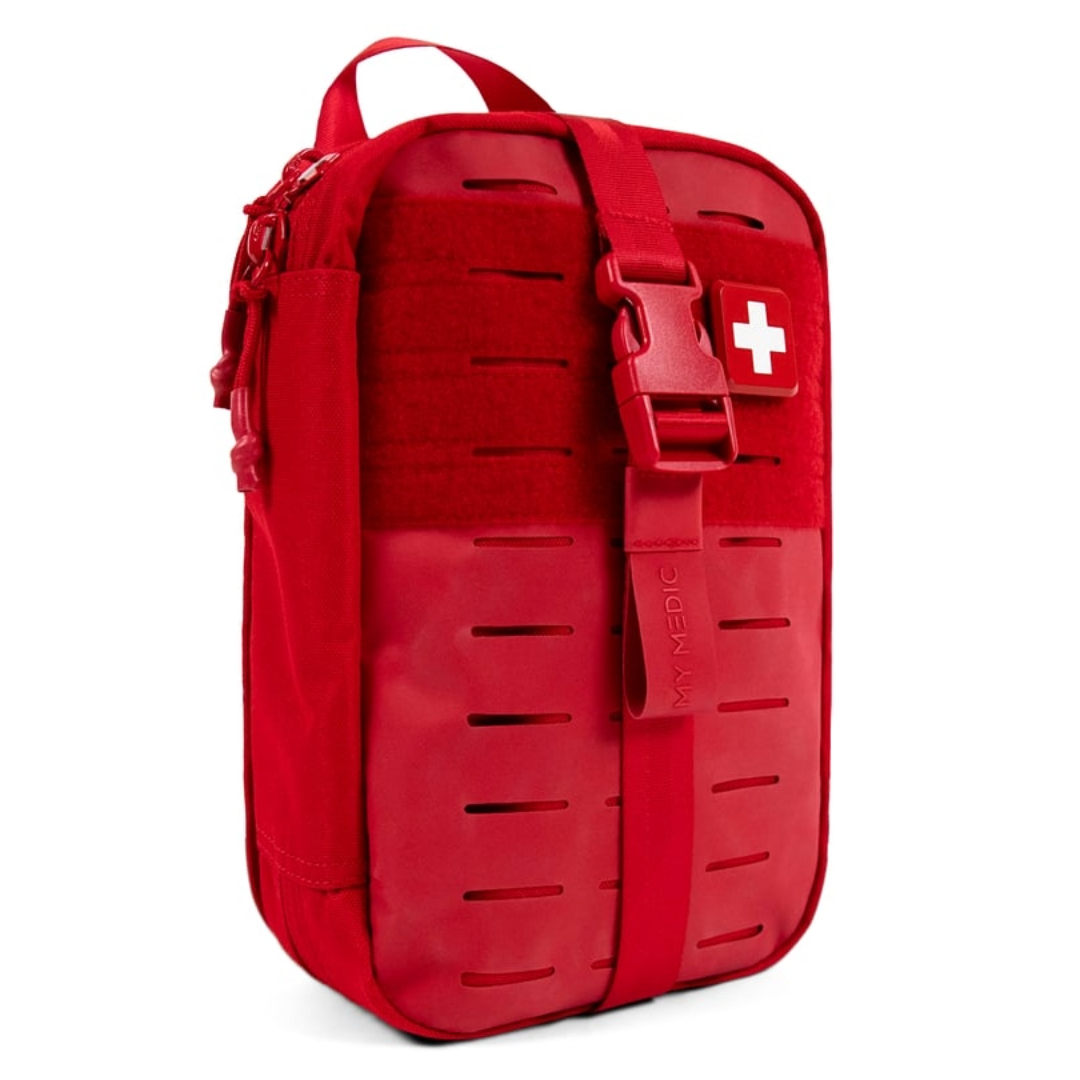
MyFAK™ Pro First Aid Kit by My Medic
